I'm embarrassed to admit the moment I recognized my passport privilege

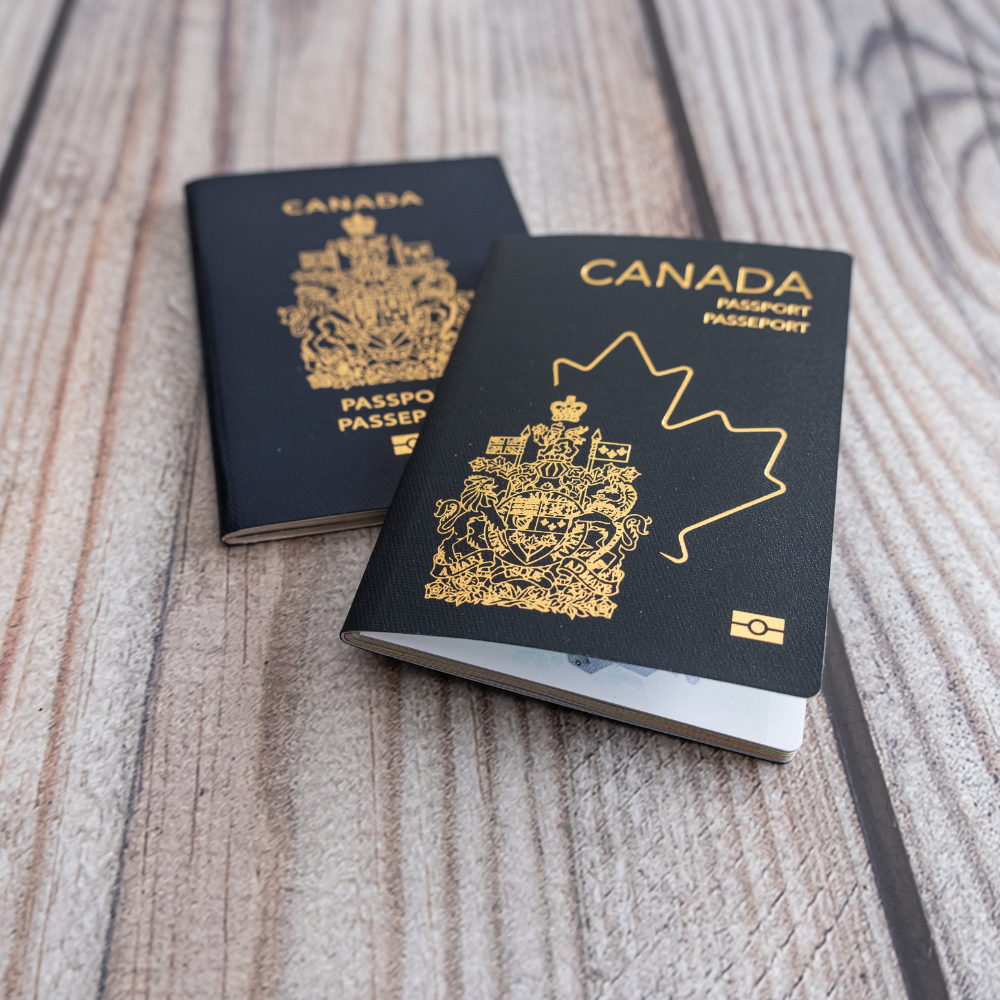
I’m embarrassed to admit that the first time I really thought about passport privilege—I mean really stopped to consider how it affects avid travellers like myself—was when I moved abroad and started dating, and travelling with, someone with a passport different from my own.
I’m Canadian. He’s Turkish. It would be nothing for me to book a cheap, last-minute flight from Istanbul to spend 24 hours in Greece or Bulgaria just for the fun of it.
For him? That would require applying for a Schengen visa, which would look like gathering hundreds of pages of paperwork, providing biometric photos, a potentially months-long wait, and a hefty application fee that’d cost more than the flight itself.
Faced with these facts, I realized that wouldn’t quite be the spontaneous and budget-friendly weekend trip after all. My Canadian passport opened up a world of opportunities… yet I’d barely even considered how spoiled first-world travellers like myself had been. Passport privilege is real and it’s high time the travel community had that conversation.
What is passport privilege?
Passport privilege refers to the advantages that someone has based solely on the passport they hold. It’s often illustrated using global passport indexes, which rank passports around the world from strongest to weakest based on a country’s mobility score—or how easy, or difficult, it is to move around the world with that particular passport. (However, there isn’t one single, definitive index, and rankings can vary.
Canada is typically ranked around seventh or eighth on major indexes, while the U.S. often sits a few spots lower. At this moment in time, some indexes place the United Arab Emirates or Singapore at the top, followed by Spain and Malaysia, with several other European and Asian countries close behind.
That means that holders of passports from these countries can visit dozens of countries visa-free or upon arrival, while holders of passports from countries with “weak” passports face strict visa requirements, higher rejection rates, and prejudice based on their nationality.
I want to be clear that passport privilege doesn’t only affect mixed-nationality middle-class millennial couples planning a last-minute European holiday, as I’ve described. Where you’re born dramatically affects your freedom of movement and the opportunities afforded to you when you get there.
Having a “strong” passport translates to simplified entry into many countries for holidays, yes, but it also means access to things like working holiday visas, more global job opportunities, and consular protection while abroad. People without passport privilege can face things like repeated denials (often on no grounds—just ask my Turkish boyfriend), travel bans, unfair scrutiny at borders, the inability to enter certain countries at all, or even detainment.
Pretty unfair.
How can you be more mindful of your own passport privilege?
Dating someone with a “weaker” passport has opened my eyes to passport privilege in more frivolous ways, like with last-minute holiday travel and bringing him home to meet my family (Turkish citizens require a visa to visit Canada). But for many nationalities, having a “weaker” passport really affects their overall opportunities and geopolitical safety.
It’s important not to take passport privilege for granted—especially because for most of us, our nationality and the passport we hold are completely based on luck.
Here’s how I’ve gone about being more mindful of my own passport privilege and what I recommend:
Recognize it
Being more mindful about your own passport privilege starts with recognizing that you have it. If you’re from a developed country like me, you’re probably able to book last-minute flights, get better deals when travelling, and benefit from being treated better in certain places based solely on your nationality.
With all of this in mind, I’d think twice about talking about the number of countries you’ve travelled to or the great prices you’ve landed when planning your travels, when your international counterparts possibly had to wait six months or more just to get a rejection on their pricey visa application. (Or never even leave their home country at all…)
Be compassionate when travelling in mixed-nationality groups
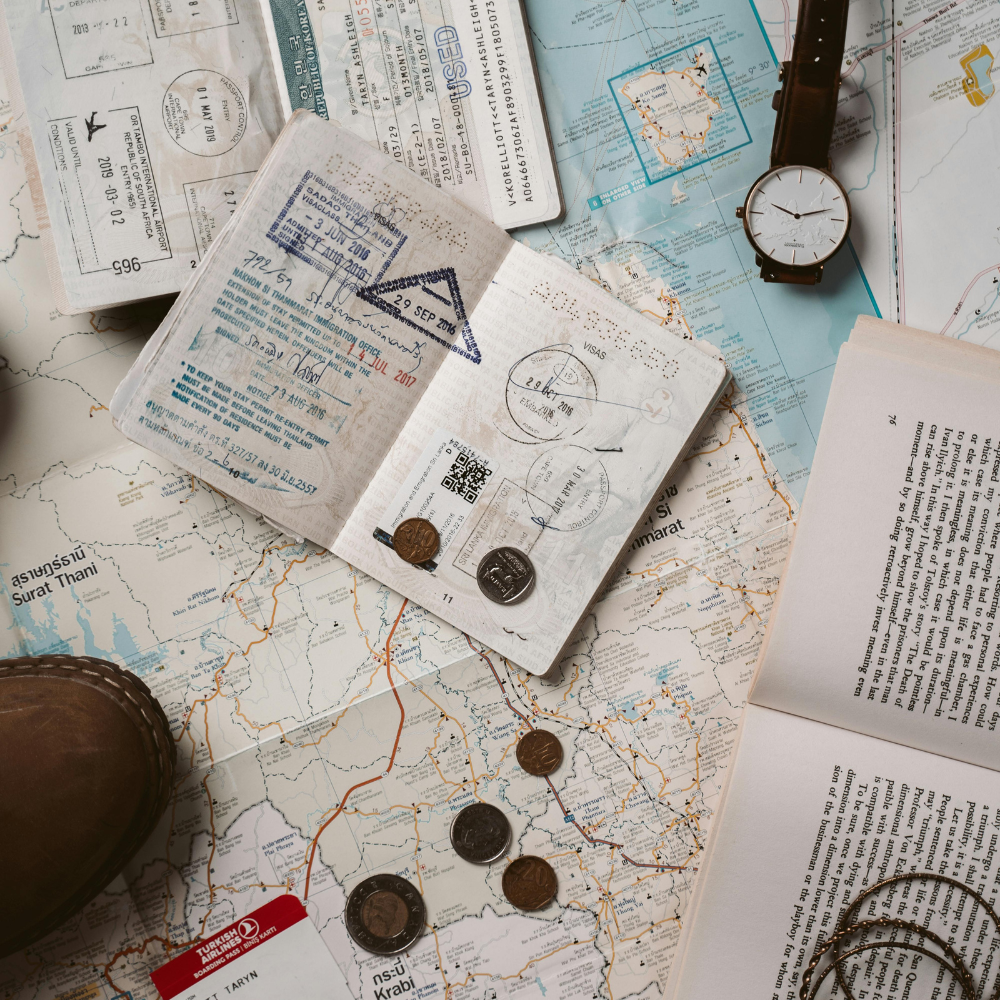
I’ve learned from travelling with my partner that an easy, last-minute trip for me could require months of planning for him. We don’t travel to countries where he’d require a visa (which is a bummer given that Istanbul is an hour flight away from so many cool destinations).
Instead, we focus on hitting countries that we can both visit visa-free, like Macedonia and Albania. We’re also planning trips to South America and certain Asian countries.
The key is to be patient and compassionate. Sometimes it’ll take a little longer to decide on a destination. It might also take longer to save up and go (particularly if it’s bigger trips like the ones we’ve planned on different continents).
The Venn diagram of visa-free and budget-friendly gets a bit smaller when travelling with mixed-nationality groups, but honestly, it has resulted in me travelling to countries I might not have immediately pegged as must-visit destinations. This experience has opened my eyes in more than one way.
Don't minimize it
I’ve teased my boyfriend a lot about having a stronger passport than him—but I don’t do it anymore. I’ve seen how crossing the border is a different experience for him and me. I’ve heard his stories about being rejected for a U.K. visa while living in France just because he was a single, twenty-something male. (Lacking the roots and responsibility of family back home, men in this category around the world are often denied as officials peg them as more likely to overstay illegally.)
My little jokes about how easy it is for me to travel, or pulling out the annoying line, “If he wanted to, he would,” whenever I wanted to take a trip that required a visa, felt trivial to me at the time. But now, I can clearly see how much his nationality has affected his global mobility and I’ve stopped minimizing it (and apologized a hundred times, to be clear!).

Educate yourself
The passport ranking system is, more or less, a form of bureaucratic discrimination. Wealthier and more geopolitically stable countries tend to have stronger passports, but things like diplomatic relations, migration trends, and even physical location can determine how freely a nation’s citizens can travel.
Learning about the history of passport ranking and how systemic inequality and stereotypes can affect travellers, migrants, and refugees will help you to better understand the unfairness that certain individuals face when it comes to global opportunities and movement. This puts travel into context and will help you be more mindful of your own passport privilege, place in the world, and roles in minimizing harm especially as you move freely from one country to the next.


