How to enjoy Montreal and Quebec City when don't speak French (yet)

One of the things that makes Canada special is that it’s a bilingual country with French and English being the two official languages.
Quebec is where French is most widely spoken but if you don’t speak the language (yet), communication concerns shouldn’t deter you from visiting the beautiful and culturally-rich province. From iconic castles and old churches, to amazing food and a lively music scene, there’s so much to see and do in Quebec. If you’re a little worried about the language barrier, don’t be! Here are some ways to make your travels in French-Canadian hubs like Montreal and Quebec City as enjoyable and stress-free as possible.
1. Do some prep research
No matter where you're travelling, it's a good idea to do some research beforehand. That’s especially the case if you don't know the language. Before you arrive, understand how transit works and make sure you feel confident getting to your accommodation. Oftentimes, when you step out into a new place — whether it's an airport, bus terminal, or train station — the voices, smells, and sounds come at you all at once. That can be extremely overwhelming. If you have a clear trajectory though, the sensory changes can be more exciting than confusing. Additionally, studying up a bit on the customs, norms, culture, and neighbourhoods you want to visit will help ease anxiety around interactions.
For example, one fun cultural norm in Quebec is that many restaurants operate without a liquor license but let you bring your own bottle of wine to enjoy with your meal free of charge! Don’t be alarmed by people carrying bottles of wine into restaurants — instead, join in!
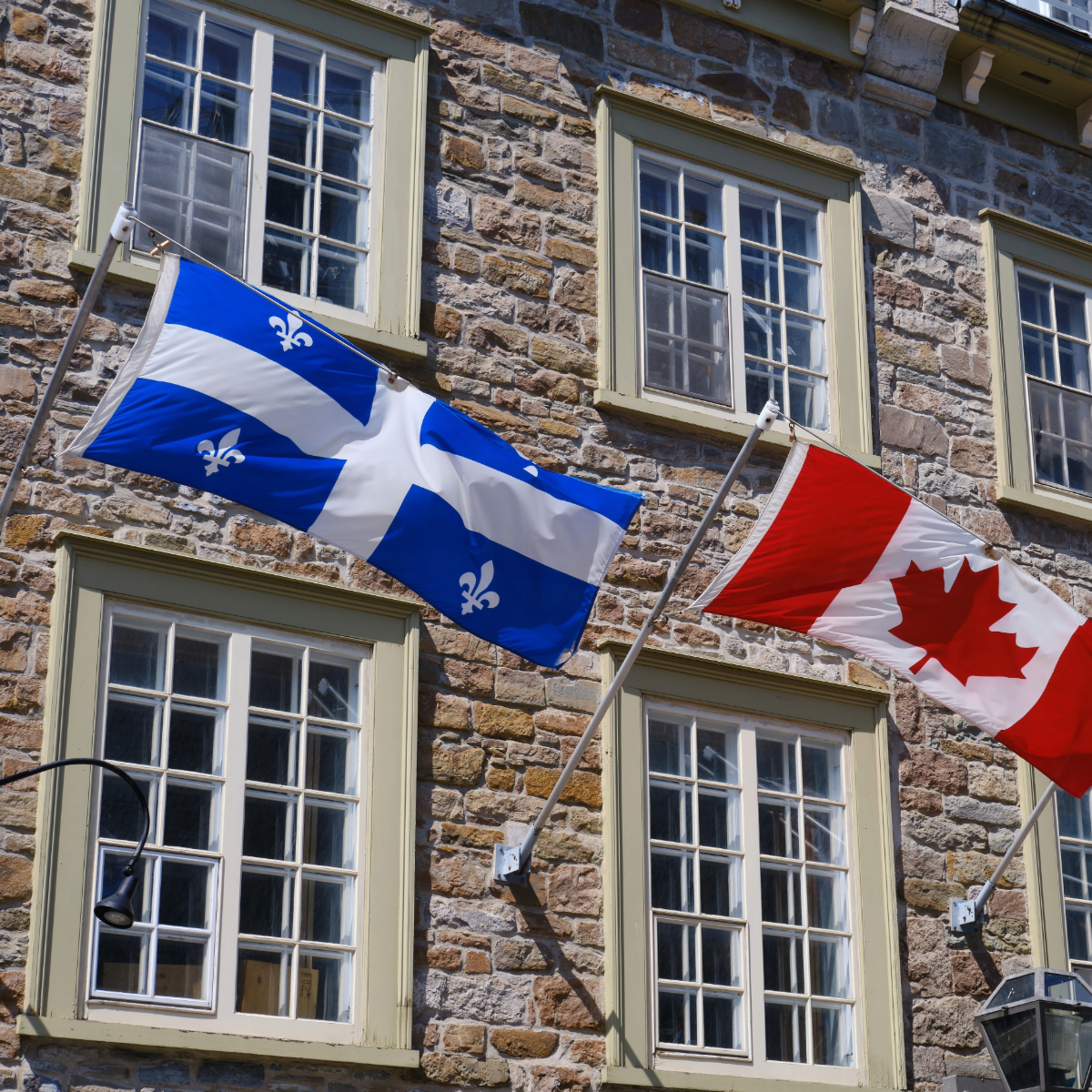
2. Get a translator app or a small dictionary
Google Translate is great and all, but there are better options. Apps such as DeepL provide more accurate translations and let you click each word in a sentence to see its various uses and meanings. Having a good app ready (and downloaded for offline use if applicable) will help if you do end up in a tricky situation. For example, you may need to tell the server of a specific allergy or ask for directions when lost. When safety or health is at stake, proper communication is essential.
Even though modern travel often relies on these apps, I’d still recommend a small dictionary. It’ll come in handy for translating but the real beauty is that you can also flip through it at your own leisurely pace to learn new words without being stuck on your phone all the time.
3. Be observant and respectful
Actions can speak louder than words. Staying attentive to your surroundings is key… especially when you’re not fluent in the local language. We’ve all heard that you should eat at restaurants full of locals, and this rule applies to other things as well. If you find yourself in a neighbourhood that's empty or a club that feels off, go with your gut feeling based on what you observe and move on. Locals know the city, and we can learn from them. In addition to noticing what’s happening in your environment, treating the city and its people with respect will result in a warmer welcome. Don’t leave garbage around, and open the doors for people. Small actions have a big impact!
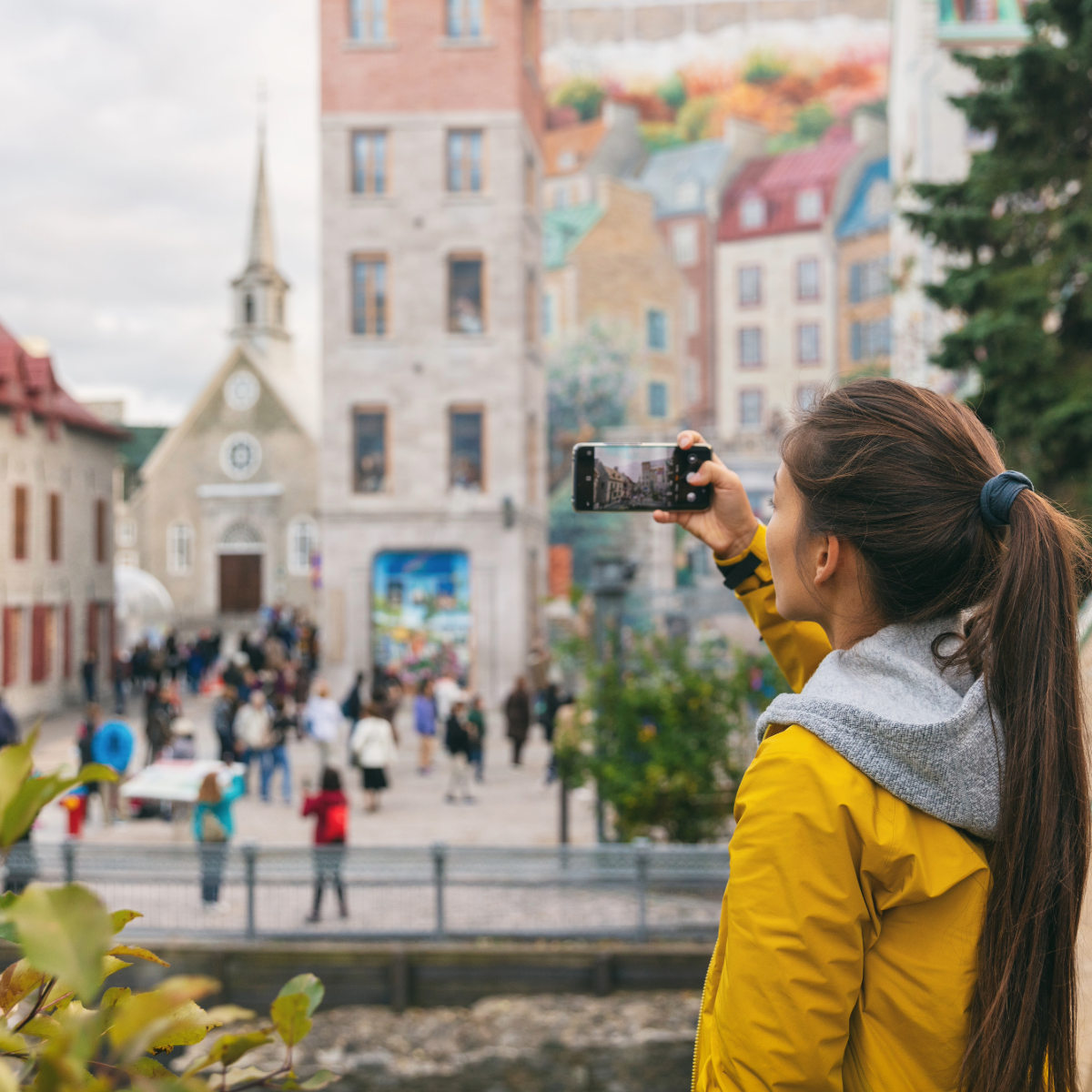
4. Use body language
Don’t underestimate the power of body language. A small wave, eye contact, or a friendly smile can go a long way. When we lose the ability to use words for communication, it doesn't mean we can't communicate at all. These gestures can show you’re approachable and sometimes even communicate more than words can. Pointing in a direction while looking confused suggests you're trying to go somewhere but are lost. Use the communication tools you have, along with gestures and translation apps, to help you express yourself!
5. Make friends
When technology and your own language skills fail you, rely on others. The beauty of hostels is that other travellers surround you, and it's likely one or two of them are either fluent in French or at least know the basics. Embrace the unique hostel experience and build relationships with the people around you. One of the most rewarding parts about travelling is the connection we make with fellow travellers and locals alike. People bring laughter, memories, and excitement, but they also offer practical help, from communication to safety and more!
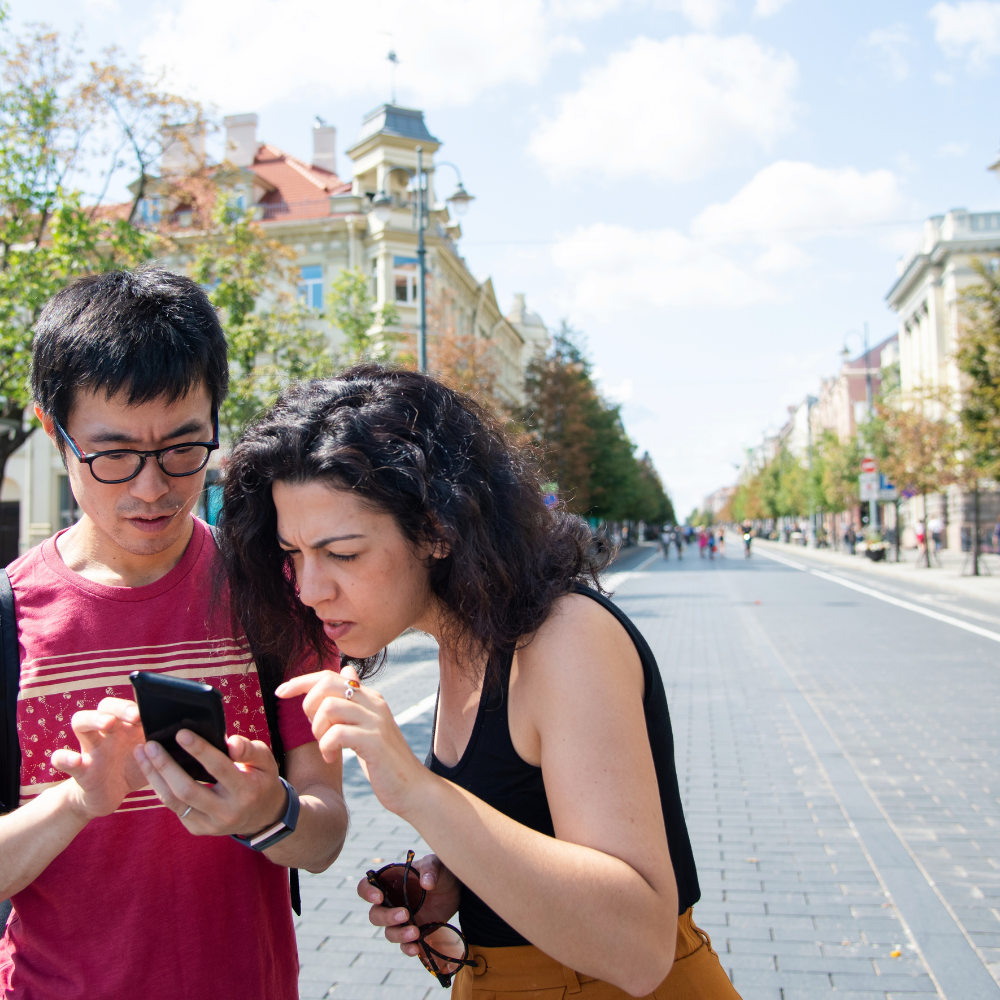
6. Don’t be afraid to ask for help
On top of being able to say hello, bonjour, and thank-you, merci, being able to say I need help, J'ai besoin d'aide, is also important. Luckily, if you're staying in a hostel, you're already surrounded by travellers and people who want to help you explore the cities and have a great trip, so use them! Humility and humbleness are key when travelling in unknown places, but getting comfortable being uncomfortable and knowing when to ask for help are skills you'll take with you for the rest of your life, and travelling is a great way to practice them.
Language is much more than words. Communication is shown and felt through actions, touches, sounds, and so much more. Embrace the beauty of the unknown, and when visiting Quebec City and Montreal, try practicing some French while using these tips to fall in love with these beautiful cities.

