How to winter hike like a weather-proof Canadian

It's cold out here! But in Canada at this time of year, that's pretty much a given.
The good news? The adventures don't need to stop. In fact, leaning into winter's intensity and getting out despite the harsh elements almost feels like taking up a new hobby. There's hiking… but then there's winter hiking.
From my backyard in Squamish (just 45 minutes from both Whistler and Vancouver), the trail options are endless. I love being outdoors in all seasons, from mellow forest strolls to venturing into high-alpine zones. But if winter hiking is feeling a little intimidating, this guide is here to help you get outside safely, confidently, and responsibly, so you can make the most of our beautiful winter wonderland.
So, get your backpack, grab a Timmies coffee, and get ready to explore.
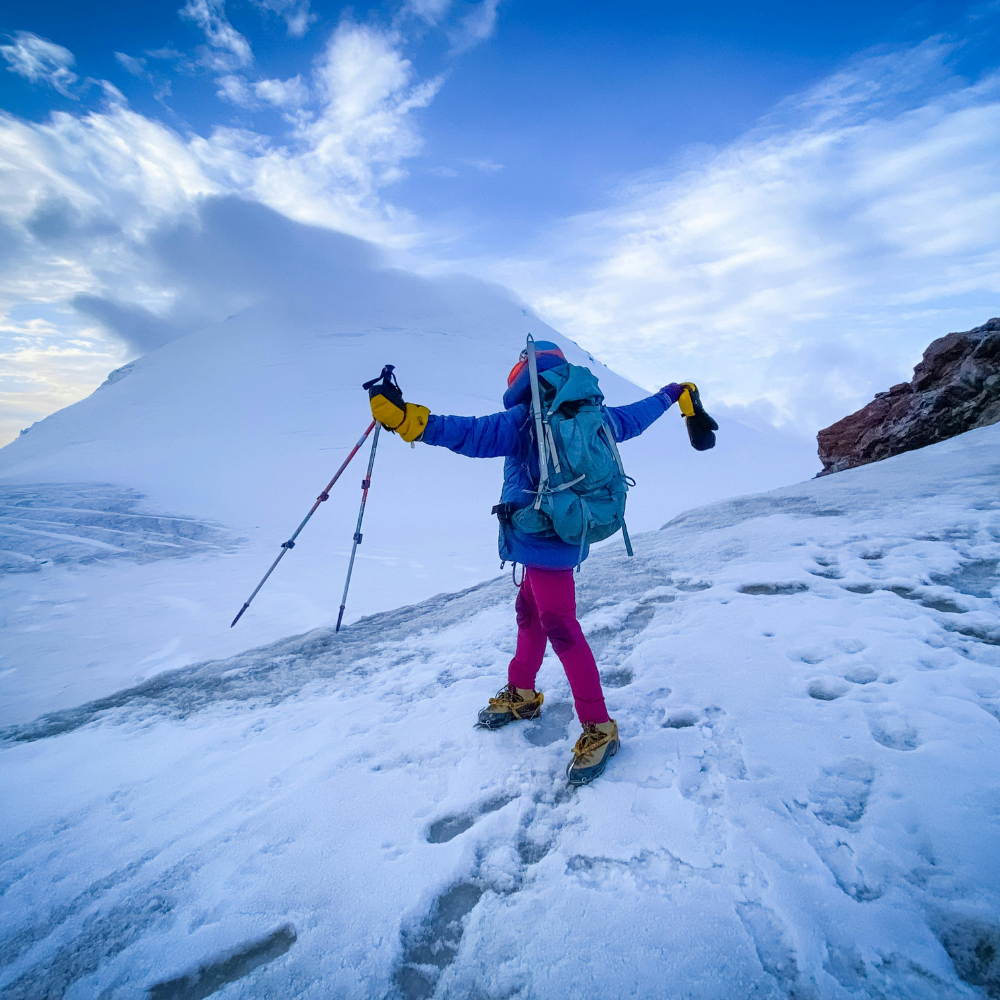
Before you go outdoors:
Obviously, there's a little more planning that goes into winter hiking. You've got cold temperatures, wind, snow, ice, and fewer daylight hours to work with. Plus, you might be travelling on slick roads to the trailhead. Before even taking one step, consider the following:
1. Plan for the best, be prepared for the worst.
Ask yourself this: Do I understand the route, forecast, and hazards before leaving the trailhead? Do I have the essentials for today's conditions? Being prepared doesn't mean expecting something to go wrong; it means you're ready if it does. In winter, preparation could be what keeps a good day outside from turning into a traumatic one.
2. Do your homework.
It's the fun kind of homework, don't worry. Consider this your non-negotiable checklist: Download offline maps (with a backup in case your phone dies); Know your turnaround time and daylight limits; Share a trip plan and expected return time with someone you trust; Check weather and avalanche forecasts the day of your trip; Assume you won’t have cell phone service.
3. Pack these essentials (and know how to use them!).
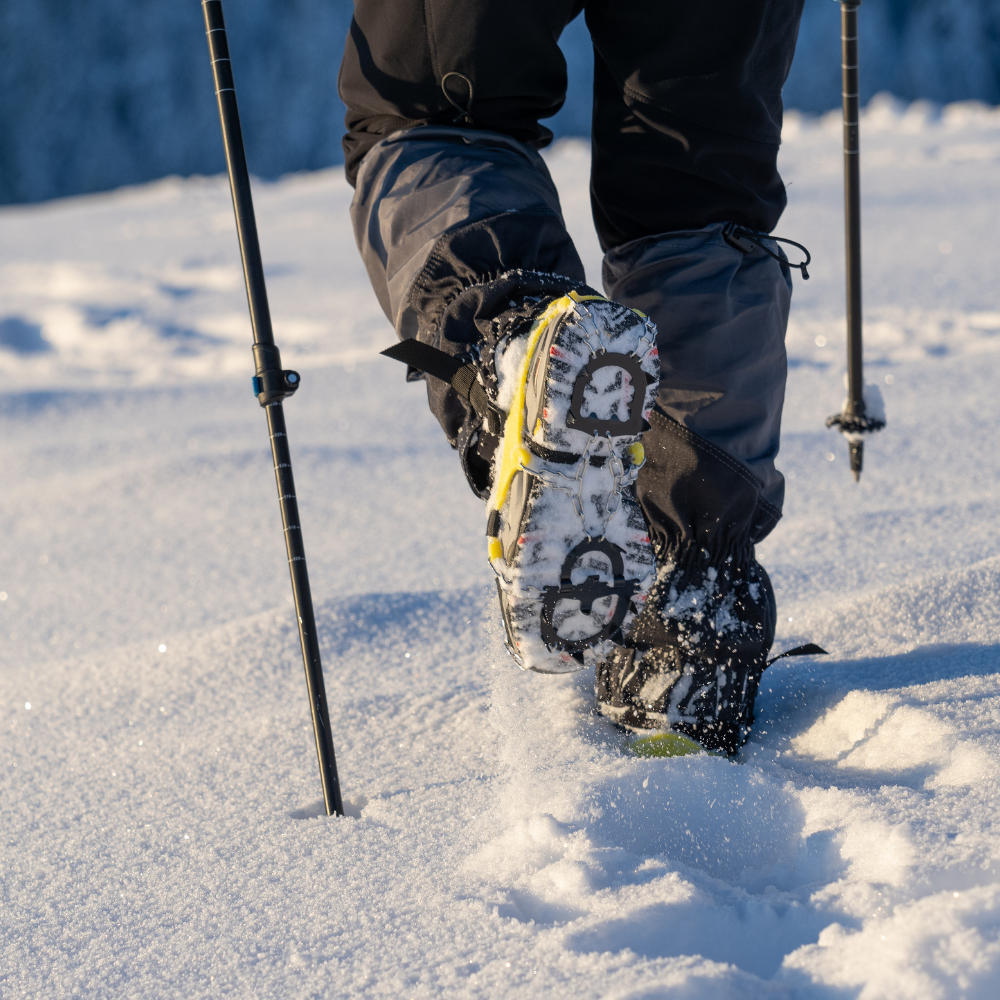
What gear do you have, and do you know how to use it? What navigation system will you use? Always know how to read your map or navigation system. Will you bring a satellite communicator? (This is more for the back-country or multi-day trekker.) If so, learn your device's capabilities, like how to send messages, turn tracking on/off, check the weather, and use the SOS feature. A lot of winter hikers in Canada also look for traction devices—snowshoes or spikes that prevent slipping in wintery conditions. Finally, you'll want to bring a headlamp with new batteries. This one's essential in the event that you end up hiking after dark.
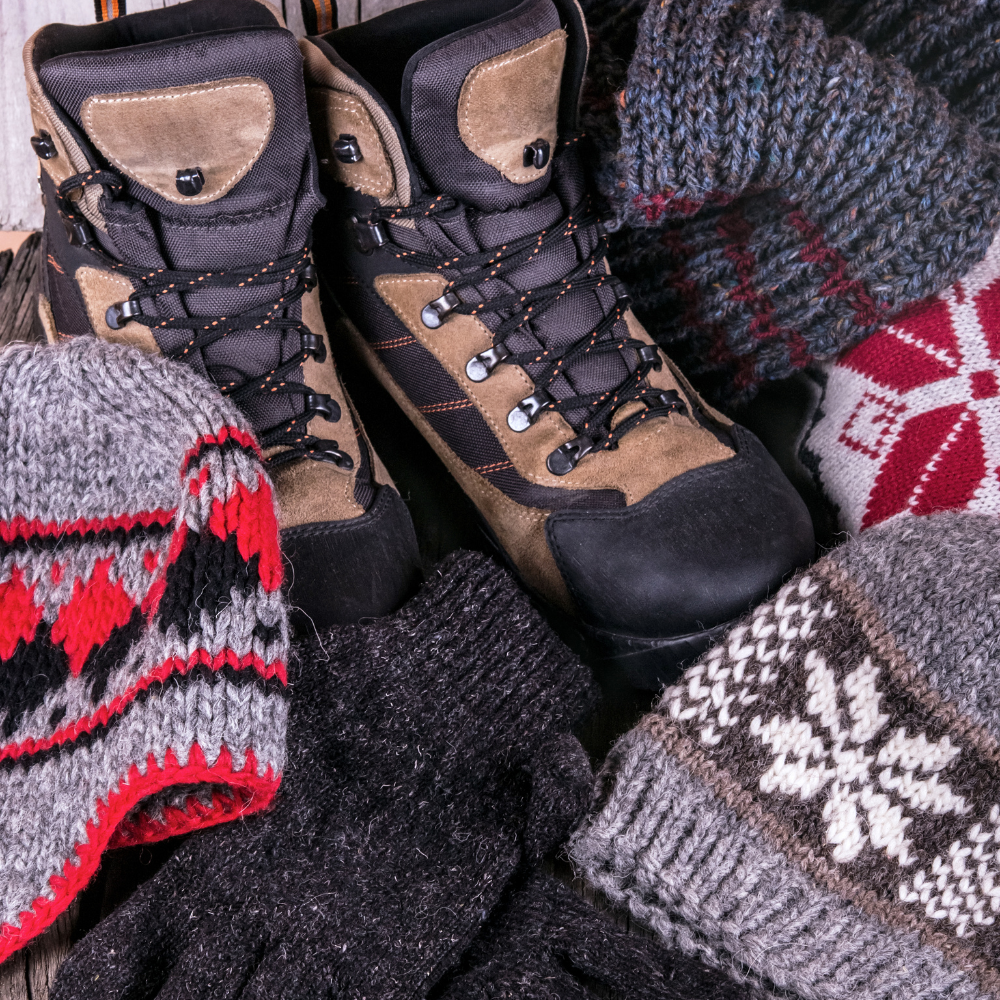
4. Dress smart.
Layers, layers, layers. That's how Canadians survive in the winter cold. *But* you also shouldn't be starting your hike looking like a giant marshmallow. Before setting out, be dressed properly to start a little cool and avoid sweating. Do you have enough layers to stay warm if the weather changes? When winter hiking, it's always recommended to start the hike cold. Sweat is the enemy in that it can cause a chill fast when temperatures are below freezing. The smartest move here is: wear a base layer, a mid layer with insulation, and a wind and waterproof layer for the outside. Look for synthetics or wool and never cotton!
5. Don't forget the small stuff.
The little things can mean a lot when it's *just* the thing you need at the moment. Some of these include: extra socks, a buff, dry shoes for afterwards, vaseline, and a bag for wet gear. It's all in the small details.
6. Set realistic expectations.
Keep in mind the pace, winter conditions, daylight hours, and your personal fitness. Apps like AllTrails can be a great planning tool, but don't be fooled by summer pace estimates. Winter trekking pace is almost always slower thanks to boots instead of trail runners, heavier packs, snow underfoot, and shorter daylight hours. Be realistic with what you can achieve.
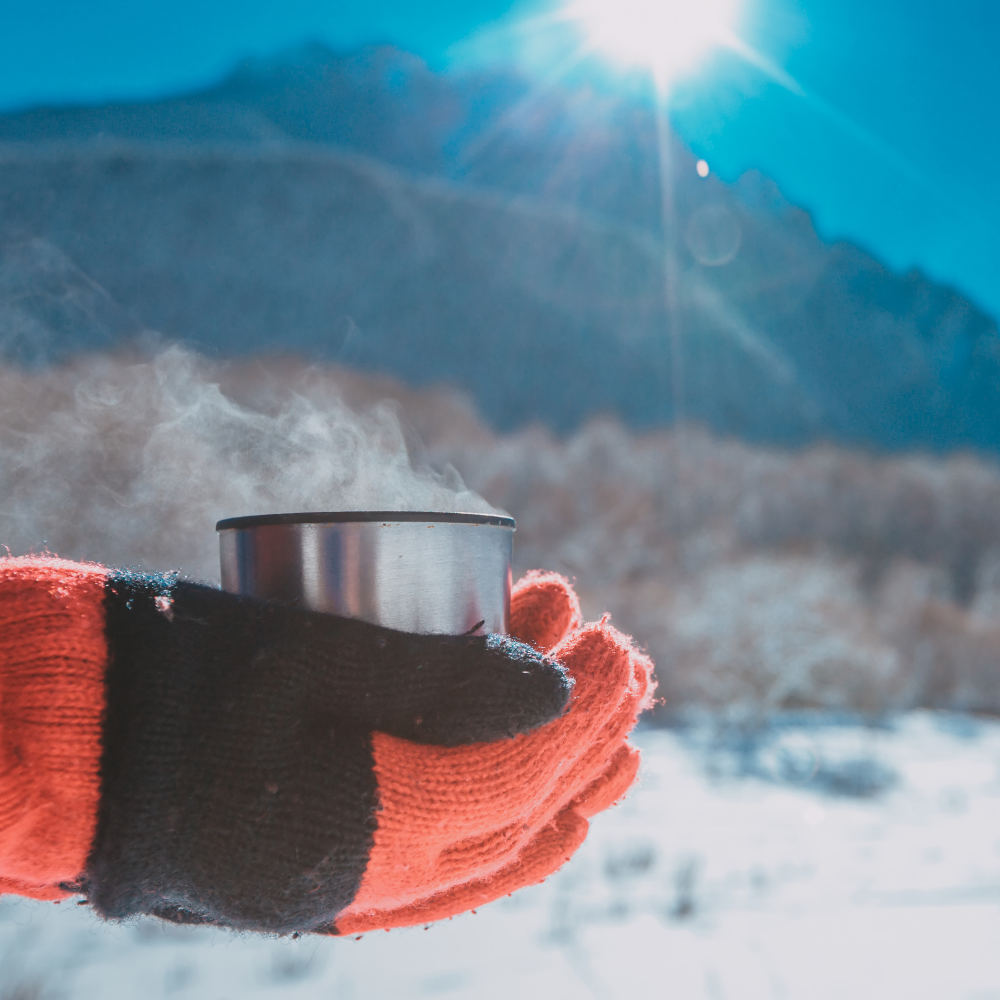
On the trails:
Of course, there's plenty to keep in mind when you're actually *on* the snow-covered trails. Start here:
1. Stay hydrated and fuelled.
When did you last eat or drink, and what's next? Being cold burns more calories so make sure to pack in (and pack out) all your favourite snacks to keep you fuelled. Tip: Don't let your sandwich freeze solid. Store snacks in your inside pockets to keep them warm, or bring a small camp stove for soup or dehydrated meals.
2. Keep plans flexible.
The thing about winter hiking is that conditions change fast, trails get icy or too snow-covered and your tolerance or motivation might change with these things. Turning around isn't failure, it's good judgment. When winter brings drama, stay safe. Trust me, it'll make for a great story later on—Type 2 Fun stories always do!
3. Enjoy the experience.
Sure, it's a little cheesy but remember how lucky you are to have the time, fortune and physical ability to winter trek in Canada. Pausing for a moment of gratitude is always important. Take a second to appreciate the strength of your body for carrying you outside in the cold. Notice the quiet of winter. Watch your breath in the air. Look at the patterns of the snowflakes—each one is different.
After the trip:
When the boots are off, you’ve had a hot shower, and you’ve got a warm drink in your hands, don’t forget to reflect and do some post-hike rituals. Here’s how:
1. Treat yourself.
You most likely arrive at the end cold, hungry, tired. You braved winter trails and so naturally, you deserve a treat. Depending on where you are in Canada, maybe that looks like poutine or a craft brew. Maybe it’s a long, hot shower followed by sharing your adventure with friends. In Squamish, the dream post-hike lineup is: sauna time, a mulled cider, or a hot chocolate and a doughnut.
2. Evaluate your experience.
Spend some time thinking about what went well and what didn’t. Did you bring everything you needed? Was there something you could have left home or wish you’d had? Factor that in for next time!
3. Think about what you learned.
If you loved the experience and want to go again, take a moment to think about what you learned. Each trip teaches you something and those small lessons are what make the next adventure even better.
Winter hiking asks a bit more but gives a lot more back. Canadians lean in and appreciate the season for what it offers. Layer up, move at your pace, enjoy the quiet, and get outdoors!


