After struggling with food sensitivities and an eating disorder, travel taught me that I can be a foodie too.

Before I met Sarah, I didn't think it was possible for me to be a foodie—or even someone who could connect with culture through cuisine. I've spent more than a decade battling food sensitivities, which contributed to an eating disorder, and as such, my diet while travelling consisted of super simple supermarket meals.
Those bland lunches of cucumbers, canned fish, and bread allowed me to protect my sensitive digestive system, avoid challenging long-engrained thought patterns, and save money. But I often wondered: was it worth what I paid in experience?
“I have a lot of allergies,” was the phrase I used to explain why I didn't eat out or indulge in the local cuisine, although I'm still awaiting a proper medical diagnosis. “Allergy” felt like the best word to convey the severity of the pain I experience in reaction to a very, very long list of ingredients. Many of which—potatoes and paprika, for instance—aren't common allergens.
When I was 11, I learned the pain wasn't normal, and I spent the next ten years trying to determine its cause. At the same time, I was a teenage girl surrounded by damaging messages about food, size, weight, and worth. When I reflect on the horrible physical reaction I experienced after eating, in conjunction with the harmful diet culture messaging I was consuming, it's no wonder I developed a fear of food—which later spiralled into an eating disorder.
Although I've recovered from the eating disorder, these experiences have stayed with me. This part of my story has often affected the way I interact with the world, especially when I'm faced with new and ambiguous situations. Both of which are common characteristics of travel. When I land in an unfamiliar city with streets, people, and customs I don’t know, anxiety gets the better of me: the last thing I want to do is scrutinize menus and interrogate servers to determine where I might feel comfortable eating.
Due to my past of disordered eating and enduring food sensitivities, food, for me, didn't seem like a viable avenue to social or cultural connection.
Throughout my recovery, I found encouragement in phrases like “an eating disorder does not belong in my suitcase.” However, until recently, a travel-sized dose of fear often still managed to slip itself into my carry-on. Due to my past of disordered eating and enduring food sensitivities, food, for me, didn't seem like a viable avenue to social or cultural connection.
Enter the bland breakfasts I ate outside the Coop in Ucluelet because I was too scared to enter the cafes, and the empty space in front of me on Thunder Bay bar tables, surrounded by friends who were eating. The pain didn't seem worth the risk, and I didn't want to insult or confuse the chef. Plus, my past of disordered eating still whispered that it was impossible and wrong for me to attempt to seek enjoyment through food. I certainly didn't want to draw extra attention to the fact that I was learning to do so.
So, mainly, I didn't. Until I met Sarah.
I met Sarah while travelling in Vancouver. She was introduced to me through a friend, and I was surprised to learn that Sarah, despite having a chronic health condition and at least as many food sensitivities as I do, was also a self-proclaimed foodie. She worked in a restaurant and was passionate about baking, cooking, coffee, and cocktails. Food, for Sarah, was an art and a way to connect. Despite the obstacles. While I was in Vancouver, her example, encouragement, and enthusiasm showed me that I could experience travel in a whole new way—through food.
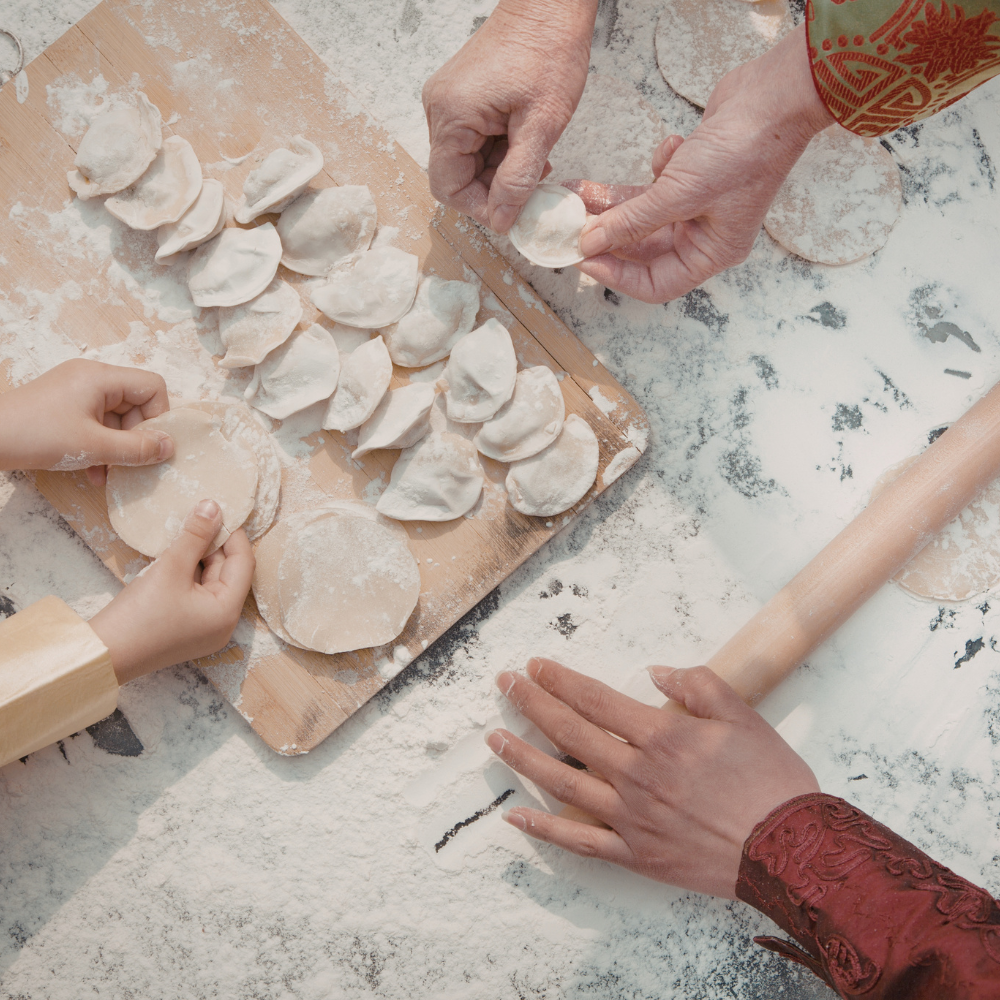
I vividly remember the hours we spent making homemade pierogis (with many substitutions) to honour her cultural heritage while respecting our bodies' unique dispositions. And the day we made “West Coast charcuterie,” complete with candied salmon, locally sourced in British Columbia. We spent hours joyfully planning and preparing before sharing our creations with her friends. I reminisce about the time I enjoyed an intricate noodle bowl at her restaurant. She encouraged me to abandon my go-to order of lettuce and salmon with oil and vinegar, and we calmly reviewed the ingredients list together. I requested a few minor changes and then savoured the best restaurant meal of my life. I felt physically and emotionally liberated.
After a week in Vancouver, I said goodbye to Sarah and travelled to Vancouver Island. With this new foodie spirit in mind, I became increasingly eager to try Nanaimo bars but couldn't find any that suited my dietary needs. So, I took a note from Sarah's book and drafted a recipe myself. I enjoyed the iconic Canadian dessert on the island where it was invented, while also discovering that I can bake!
Food, for Sarah, was an art and a way to connect. Despite the obstacles.
My newfound interest in food followed me from west to east, when I left British Columbia for Saint John, New Brunswick and, later, Badajoz, Spain.
In Saint John, I enjoyed fresh fish with family and friends, tried a tough salty seaweed called dulce, and discovered a bakery that makes splendid Lebanese cinnamon rolls. The cafe owner was happy to review the ingredients list with me, and I was thrilled to discover that they met my dietary needs.
In Spain, I ate “mantecados de cerdo” and “mollete” to connect with my Malagueña roommate, bought freshly-baked bread from corner shops, and ordered artichoke dishes and churros directly from the menu, without any modifications needed. I tried (and loved) “jamón de cebo Ibérico,” despite my previous belief that I didn't like ham. I discovered that many bars in Spain serve both herbal tea and Aquarius (an electrolyte beverage similar to Gatorade), which my body and taste buds adore.
These moments in British Columbia, New Brunswick, and Spain allowed me to experience the adventure, connection, culture, delight, friendship, tradition, and surprise that many travellers do in relation to food. However, this personal development also stirred feelings of confidence, self-love, self-efficacy, reward, and accomplishment that food might not incite in all travellers. My journey hasn't been linear, and I have at times reverted to old ways of thinking. At first, I dwelled on those moments. Now, I recognize them not as an indication of failure, but as an opportunity to recommit to the health and pleasure my body deserves.
And it's a balance of the two: I ask about ingredients and decline food that will make my body unhappy. I also look for creative solutions that allow me to engage with food more often and more fully. Sarah and I are still in touch. Since meeting Sarah, I have decided to pursue medical attention in further esteem of my experience. In the meantime, I will continue to explore what it means to appreciate food. Because travel has taught me that, despite it all, I can be a foodie, too.
+ + +
*Names have been changed to maintain confidentiality


